Viridescent Future
Arch 805 | Studio V | Fall 2021
Instructor : Alexandra Barker
Co-Teacher : Luz Wallace
Anthropocene is the new geological period that we currently live in. There is officially next to no part of the planet that humans have affected so far. Humanity has altered all ecologic, geologic and biological systems and has damaged the boundary between human and non-human life, between nature and culture.
“The most radical thought identified with the Anthropocene is this: the familiar contrast between people and the natural world no longer holds. There is no more nature that stands apart from human beings. There is no place or living thing that we haven’t changed.”
- Jedediah Purdy in After Nature: A Politics for the Anthropocene

This studio explores into the connections across ecosystems, people, and other beings through an architectural proposal. The proposal is a speculative addition to the Bush Terminal building in Sunset Park, Brooklyn which is a derelict peaker plant. The proposal is to alter the existing structure to provide spaces for the new functions.


The primary focus of the project is an algae research and farming center, combined with oyster aquaculture. Algae is a promising material with vast potential across multiple fronts, while oysters represent a nature-based solution offering abundant environmental benefits and economic opportunities for coastal communities. The project's goal is to integrate these two organisms into a symbiotic space program.


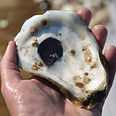
Oyster

Bivalve Molluscs.
Feed by extracting food particles from the water.
Filter 50 gallons of water perday.
Oyster reefs provide habitats provide habitat to a large number of aquatic species vulnarable to open waters.
Algae

Diverse group of photosynthetic, eukaryotic organisms ranging from unicellular microalgae, the diatoms to multicellular forms such as the giant kelp.
Primary food for Oysters.
Make water less acidic.
Filter CO2 from air more effective than plants.
The proposal accommodates various types of algae with multiple applications, such as serving as a biofuel alternative, a superfood for humans, and feed for the oysters. The deliberate pairing of different algae species with oysters creates a symbiotic habitat within the proposal. To clarify, the algae offer sustenance and protection from turbulent waters to the oysters, while the oysters provide clean water and nutrients for the algae's growth.
The space program designed for the algae and oysters, when functioning effectively, can also double as recreational areas for humans. An excellent example is the oyster reef. As these reefs mature, they become natural habitats for numerous aquatic species. Eventually, this can transform into a snorkeling spot, facilitating deeper human engagement with the proposal.


.
Tabby Concrete surfaces of the pier provide the area for the adult Oysters to latch onto and aggregate more.

.
Shallow water areas in the pier are used for Sea weed (Macro Algae) farming, which is currently being studied for creating new super foods for humans.

.
Shallow and isolated water areas that are inside the structure are used for culturing young floating oysters which are further moved into the outdoor water pools in the pier.
.
The towers are used to cultivate algae that are used to create alaternative bio fuels. The open roof skylight provides ample light for their growth.

.
Indoor artificial pools are used for culturing other algae (micro algae) that are used to create Super foods for humans, like Spirulina.

.
Algae wall are used to culture certain varities of algae that are used as feed for the oysters. The skylight provides ample light for their growth.


The Intitial design exercises explore the inherent green aesthetics produced by Algae infrastructures. Green, being a prevalent color in nature, carries a calming effect, as evidenced by its use in hospital attire. Numerous artists have harnessed the power of color to shape environments and engage people. The proposal leverages this aesthetic to establish a compelling visual identity for the project on the site.


With its integrated space program and striking visual presence on-site, the structure symbolically charts a path towards researching future materials, food, and fuels that are sustainable, harmonious with nature, and explores architectural typologies to accommodate them. This journey aims to contribute to a 'Viridescent Future' for our planet.


| 816.924.9997
linked In